
A New Phase for Kuwait’s Financial System
In March 2025, Kuwait entered a new era for its financial sector by introducing stricter rules for money transfers and currency exchange companies. The Central Bank of Kuwait (CBK) now directly supervises all licensed exchange houses to ensure that every single transaction, whether it be for personal remittance, business payments, or even for investment purposes, is secure, traceable, and fully compliant with both local and international regulations.
These changes underline Kuwait’s strong commitment to protecting the customers, preventing financial crimes, and aligning with the best global practices, including the recommendations of the Financial Action Task Force (FATF).
By tightening our oversight, which essentially means closer monitoring and stricter checks on how exchange companies operate. The CBK aims to preserve the integrity of Kuwait’s financial system and also maintain its position as a trusted financial hub in the Middle East. cbk.gov.kw
These updated rules affect all users who use the services provided by the money exchange houses, whether individuals sending money to support their families abroad, expats managing savings, or companies paying international suppliers and employees.
Why the Regulations Were Introduced?
Kuwait’s economy is increasingly linked to global trade and the financial system. With that integration comes major responsibility: the country must ensure its financial operations meet international compliance standards.
Stricter rules were introduced to:
- Protect Customers: Ensuring that customers funds are secure, properly recorded, and at the same time protected from fraud or any unauthorized use.
- Prevent Illegal Activities: Strengthening barriers against money laundering, terrorist financing, and other illicit or illegal financial activities.
- Increase Transparency: Making every financial transaction traceable, reducing the risk of funds being used for unverified or illegal purposes.
- Promote Market Stability: Encouraging professional conduct and accountability across all licensed financial entities.
- Align with Global Expectations: Meeting Financial Action Task Force (FATF) and International Monetary Fund (IMF) recommendations helps Kuwait maintain strong international partnerships and investor confidence.
These rules mirror a global trend, nations worldwide are enhancing oversight of money movement to safeguard economic stability and prevent financial crimes.
Key Regulatory Changes
Supervision by the Central Bank of Kuwait
All exchange companies are now directly supervised by the Central Bank of Kuwait. This ensures consistency, reliability, and adherence to the global standards.
Under this new framework:
- Licensing and registration follow stricter criteria.
- Each company must maintain robust internal controls.
- Branch activities, advertisements, and digital platforms are closely being monitored
- Violations may result in heavy fines, temporary suspension, or even permanent closure.
This means customers can transact only with trusted, officially licensed operators, ensuring that their money is handled through legitimate, regulated channels. (cbk.gov.kw)
Customer Due Diligence (CDD) and Enhanced Due Diligence (EDD)
Customer verification now goes beyond basic ID checks.
For all transfers, exchange houses must perform Customer Due Diligence (CDD), verifying identity, purpose, and legitimacy of the transaction.
For high-risk or high-frequency customers, Enhanced Due Diligence (EDD) applies:
- Verification of income or source of funds
- Additional documentation such as business or payroll records
- Confirmation of recipient details
This tiered system allows legitimate customers to transfer money easily while helping authorities prevent illegal transactions. (getfocal.ai)
Stronger Penalties for Non-Compliance
The CBK has introduced heavier penalties for violations, signaling zero tolerance for any form of negligence.
Companies that fail to comply face:
- Fines up to KD 500,000 for serious AML/CTF breaches
- Temporary or permanent suspension of licenses
- Public listing of violations to maintain accountability
This clear structure motivates exchange companies to maintain top-tier compliance and operational integrity. (cbk.gov.kw)
How Individuals Are Affected
For regular users, the experience of sending money abroad may include a few additional verification steps. However, these procedures are designed to protect your funds and speed up legitimate transfers.
Customers may be asked to do the following:
- To present valid identification for every transfer.
- Be asked to confirm the purpose or relationship with the recipient.
- To provide supporting documents for frequent or high-value transactions.
For Example:
- An individual sending monthly support to family may be asked for proof of the relationship.
- A professional or a businessman transferring a larger amount for purchasing a property will be asked for the source of funds.
While this may seem like extra effort, it ensures money reaches the intended recipient or beneficiary safely, without delay or risk of it being flagged for compliance issues.

How Businesses Are Affected
For companies conducting international payrolls, supplier payments, or cross-border business:
- Companies must partner with licensed and compliant exchange firms to avoid any issues or interruptions.
- Payments exceeding specific thresholds may trigger additional verification.
- Companies must partner with licensed and compliant exchange firms to avoid any issues or interruptions.
These requirements not only safeguard businesses from penalties but also enhance trust with international partners who expect transparent, compliant payment channels.
For Example:
A construction company paying overseas contractors will may have to now maintain detailed records showing the purpose and amount of every payment, reducing any risk of disputes or compliance concerns later.
Economic and Industry Impact
These reforms are more than just regulatory adjustments, they actually represent a strategic shift in Kuwait’s financial landscape.
Kuwait continues to strengthen its transparency and control, further reinforcing its long standing reputation as a secure and reliable place to do business, delivering benefits to the economy and financial industry:
For the Economy:
- Greater investor confidence due to safer and secure regulations.
- Lower risk of financial crimes affecting the banking ecosystem.
- Improved alignment with the GCC and other international partners.
For the Financial Industry:
- Exchange houses are modernizing their digital systems to meet compliance needs.
- More collaboration between banks, fintechs, and regulators.
- Encouragement for innovation in secure digital remittance solutions.
Over time, this framework strengthens Kuwait’s role as a regional financial leader, attracting major fintech innovations and cross-border partnerships.
Benefits of the New Regulations
The new rules may seem demanding at first, but they bring clear benefits:
- Safety: Reduced risk of fraud and misuse of the funds.
- Transparency: Each transaction is verifiable and traceable.
- Reliability: Only licensed companies operate under CBK oversight.
- Global Trust: Compliance with FATF recommendations enhances Kuwait’s international credibility.
- Consumer Confidence: Customers can send and receive money knowing their funds are protected by law.
By setting these standards, Kuwait ensures that the remittance sector remains both customer-friendly and globally respected.
Practical Tips for Customers
To ensure smooth and fast money transfers under the new rules:
- Carry your valid and updated Civil ID.
- Double-check all of the beneficiary details.
- Always use licensed and CBK-regulated exchange houses for making any transactions.
- Keep your receipts and transaction history.
- Be prepared for verification requests for frequent or large transfers.
- Stay informed, if your exchange company asks for documentation, it’s only for your safety.
Following these steps makes transactions effortless while ensuring full legal compliance.
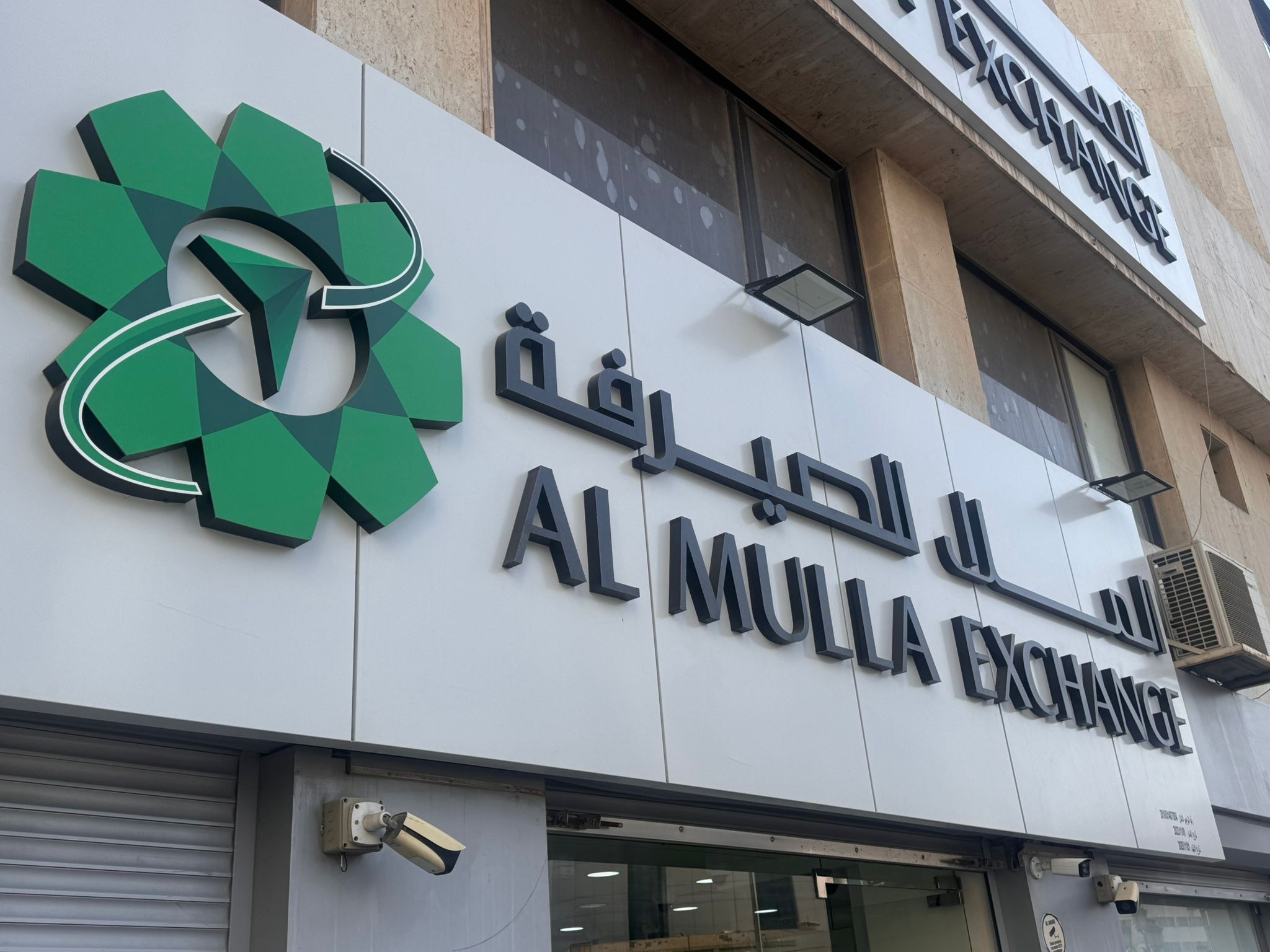
Al Mulla Exchange: Your Trusted Partner
At Al Mulla Exchange, compliance and customer’s trusts go hand in hand. Our systems and staff are fully aligned with CBK regulations, ensuring every transaction is safe, secure, and transparent, whether through our app, kiosk, or in our branches.
We continuously update our technology and internal training to meet the latest AML and CFT requirements.
Even as rules become stricter, our mission remains the same: to make your transfers smooth, reliable, and stress-free.
Looking Ahead: A Safer Financial Future
The introduction of these measures is not just about control, it’s about building long-term trust in Kuwait’s financial infrastructure.
With enhanced monitoring, clearer accountability, and customer awareness, the system becomes stronger for everyone.
As Kuwait continues to modernize its financial policies, both customers and companies can look forward to a more stable, secure, and transparent financial environment that supports sustainable growth and international cooperation.
Send Money Safely with Al Mulla Exchange
Sending money abroad has never been easier or safer. With Kuwait’s new regulations in place, all you need to do is download the Al Mulla Exchange app, follow a few simple steps, and your transfers will be secure, fully compliant, and reach the correct beneficiary or recipient without any hassle. Our app puts safety, transparency, and convenience at your fingertips, so you can focus on what matters most.
Al Mulla Exchange is also committed to innovation and improving your overall experience. From frequent app updates to new services, we are constantly exploring ways to make sending and receiving money easier, faster, and more convenient, so you get the benefits of modern financial technology every time you use our services
Conclusion
Kuwait’s new money transfer regulations mark a major milestone in financial reform. While verification and documentation may take a bit more effort, the outcome is a much safer, cleaner, and more globally respected system.
By choosing licensed institutions like Al Mulla Exchange, individuals and businesses can continue transferring funds with full confidence, knowing that their transactions are compliant, safe, secure, and part of Kuwait’s growing reputation as a trusted financial hub in the Middle East.
Sources
- Central Bank of Kuwait – Instructions for Exchange Companies (cbk.gov.kw)
- Central Bank of Kuwait – 16 Instructions Issued by the Central Bank of Kuwait Regarding Anti – Money Laundering and Combating the Financing of Terrorism (AML/CFT) (cbk.gov.kw)
- GetFocal – Anti-Money Laundering Compliance in Kuwait (getfocal.ai)